Outdoor architecture is never static.
Morning light enters from one direction. Shadows shorten toward midday. Afternoon sun changes the temperature and character of a terrace. At sunset, surfaces that appeared quiet during the day can become warm and expressive.
This constant transformation is one of the qualities that makes outdoor architecture different from interior space.
Designing with light and shadow means designing with time.
## Why Light Matters in Outdoor Architecture
Natural light reveals architecture.
It emphasizes texture, creates contrast, changes the perception of materials and makes volumes easier to understand. The same wall, pergola or courtyard can feel completely different depending on the angle and intensity of the sun.
For this reason, outdoor design should respond to solar orientation from the beginning.
Where does morning light enter? Which areas receive intense afternoon sun? Where will shade fall during the hours when people are most likely to use the space? How will the environment change throughout the seasons?
These are not only aesthetic questions. They affect comfort and usability.
## Shadow Is an Architectural Material
Shadow is often understood as the absence of light. In architecture, it can be treated as a design material in its own right.
A deep overhang creates one kind of shadow. A tree canopy creates another. Fixed louvers produce a rhythm that moves throughout the day. A pergola can filter sunlight rather than eliminate it. Retractable systems can allow the relationship between sun and shelter to change according to weather and use.
The objective is not necessarily to create maximum shade everywhere. The objective is to create the right balance.
That balance can define where people naturally gather, where a dining table belongs, where a lounge area feels protected, and where sunlight should remain part of the experience.
## Pergolas and Shade Structures Shape Space
Architectural shade structures do more than provide protection from direct sun.
They establish scale and proportion.
A pergola can transform an undefined terrace into an outdoor room. Its roof plane creates a sense of shelter while its open sides preserve air, views and connection with the landscape.
The spacing and orientation of louvers or structural elements also influence how sunlight enters the space.
Adjustable systems add another layer of control by allowing users to respond to changing sun, rain and weather conditions.
The result can be a space that remains open to nature without being completely exposed to it.
## Designing for Climate and Orientation
Light cannot be considered independently from climate.
In warm regions, controlling solar exposure can significantly affect whether an outdoor area is comfortable during the hours people want to use it.
South Florida, Southern California, Mexico and Caribbean environments each have distinct combinations of sun, heat, humidity, wind and seasonal weather.
Site orientation is equally important.
A western-facing terrace may require a different shading strategy from a north-facing courtyard. A waterfront property may need to preserve views while controlling glare and exposure. An urban rooftop may require both shade and privacy.
This is why effective architectural shading begins with the specific conditions of the site.
## Filtered Light Creates Atmosphere
Some of the most memorable outdoor spaces are neither fully exposed nor completely shaded.
Filtered light creates movement.
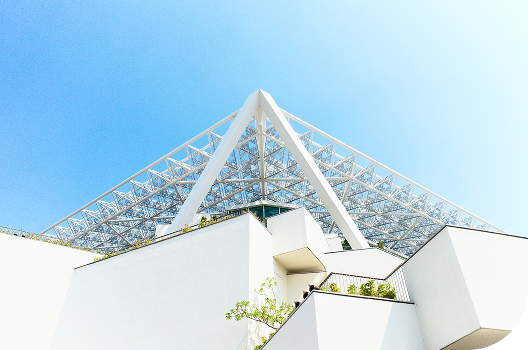
Sunlight passing through louvers, screens, foliage or structural elements produces patterns that change during the day. These patterns can give depth to simple surfaces and make architecture feel alive.
Bright open areas can feel social and energetic. Deep shade can create calm and refuge. Dappled light beneath vegetation can soften the transition between architecture and landscape.
Designing an outdoor environment means deciding where each of these conditions should occur.
## Light Connects Architecture With Nature
Natural light is one of the elements that continuously connects architecture to its surroundings.
Unlike artificial illumination, sunlight cannot be completely controlled. It changes with weather, season and time.
Outdoor architecture can respond to those changes rather than resisting them.
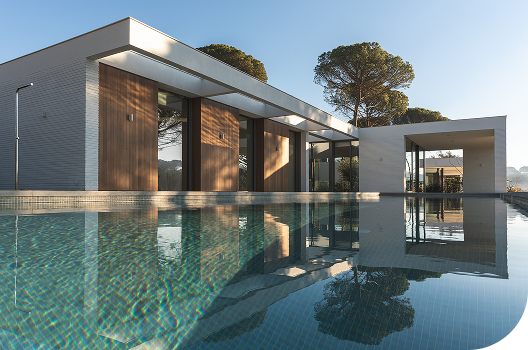
Openings can frame the sky. Structures can filter direct sun. Materials can reflect or absorb light differently. Landscape can create moving shadows. Water can introduce reflection.
These interactions allow a space to feel connected to a particular place.
## What Happens After Sunset?
The role of light does not end when natural light disappears.
Outdoor lighting should continue the architectural logic established during the day.
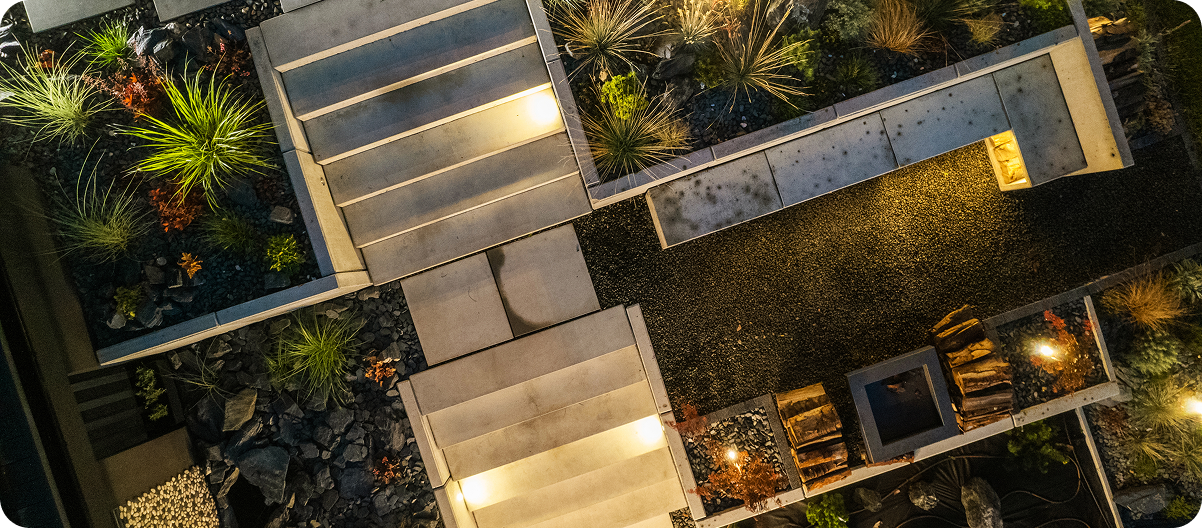
Rather than illuminating everything equally, carefully positioned lighting can reveal paths, vegetation, structural elements and gathering areas while preserving contrast and depth.
Integrated lighting within pergolas or architectural structures can support dining and social use. Indirect lighting can emphasize surfaces and materials. Landscape lighting can extend visual depth beyond the immediate terrace.
The goal is not brightness. It is atmosphere, orientation and comfort.
## Designing With Light From the Beginning
Light and shade should not be treated as finishing touches.
They influence orientation, structure, comfort, materials, landscape and how an outdoor environment is experienced throughout the day.
At The 3rd Space, we begin with the experience a space should create. From there, architectural structures, shading systems, screens, materials, landscape and lighting can be coordinated around the conditions of the site.
Because when light and shadow are considered as part of the architecture, outdoor space becomes more than an extension of a building.
It becomes an environment that changes with the day.