A well-designed outdoor environment does more than extend the usable area of a home. It changes the rhythm of everyday life.
Breakfast moves outside. A shaded terrace becomes a place to work or read. Dinner extends beyond the dining room. A courtyard becomes a place to pause. The pool area becomes part of the architecture rather than a separate destination.
This is the real potential of outdoor design: not simply creating a more attractive exterior, but creating another way to inhabit a property.
## Outdoor Design Begins With Experience
The first question in outdoor living design should not be which pergola, screen, kitchen or furniture collection to choose.
It should be: How should this space feel?
Should it provide shelter from intense afternoon sun? Create a quiet transition between the interior and garden? Become a place for entertaining? Frame a particular view? Allow a family to spend more time outdoors throughout the year?
These questions define the experience before individual products or systems enter the conversation.
When the experience comes first, architecture, shade, materials, landscape, furniture, lighting and technology can work together as one environment.
## From Outdoor Area to Outdoor Room
There is an important difference between having outdoor space and having an outdoor room.
A patio or terrace may physically exist without becoming a place people naturally use. Successful outdoor rooms create a sense of purpose, proportion and enclosure while maintaining a connection to light, air and nature.
Architectural structures such as pergolas, retractable roofs and shading systems can help define these spaces. Screens and enclosures can provide privacy and protection. Furniture establishes how people gather. Lighting changes how the environment functions after sunset. Landscape softens boundaries and creates a relationship with the site.
None of these elements works entirely on its own. The strongest outdoor environments emerge when they are considered together.
## Shade Determines How a Space Is Used
In warm and coastal climates, shade is fundamental to outdoor living.
Its position can determine where people sit, dine, gather and spend time during the day. A beautifully designed terrace that is exposed to intense sun at the hours when it is meant to be used may remain visually impressive but functionally empty.
This is why shade should be considered as part of the architecture rather than as an accessory added later.
Fixed structures, pergolas, adjustable louvers, retractable systems and natural shade can all play different roles depending on orientation, climate and the intended use of the space.
The objective is not simply to block sunlight. It is to control the relationship between exposure and protection.
## Architecture and Nature Should Work Together
Outdoor architecture exists in direct conversation with its environment.
Sun orientation, prevailing breezes, vegetation, views, humidity, rainfall and surrounding architecture all influence how a space should be designed.
Rather than separating a building from its landscape, thoughtful outdoor design can create a gradual transition between them.
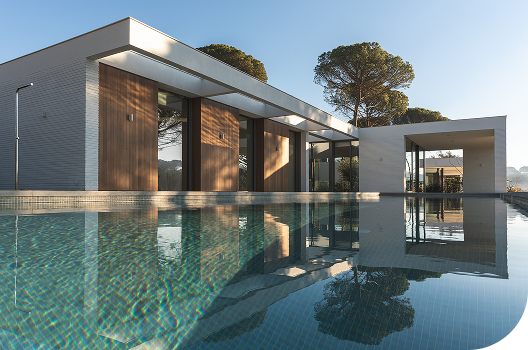
Materials can continue beyond the interior. Roof lines can extend outward. Landscape can enter courtyards and terraces. Openings can frame views. Outdoor structures can repeat the proportions or geometry of the architecture.
The result is a space that feels like it belongs to the property rather than something placed beside it.
## Comfort Extends the Time We Spend Outside
An outdoor environment becomes meaningful when people actually use it.
Comfort therefore has to be designed.
Shade, airflow, protection from rain, privacy, screening, lighting and appropriate materials all influence whether an outdoor space can support everyday life.
In regions such as Florida, California, Mexico and the Caribbean, outdoor environments also need to respond to demanding climatic conditions. Exposure to intense sun, humidity, wind, salt air and seasonal weather can affect material selection, structural systems and long-term performance.
Good outdoor design balances atmosphere with resilience.
## The Third Space: Between Inside and Outside
The most interesting outdoor environments often exist between traditional definitions of interior and exterior.
They are protected but open. Architectural but connected to nature. Comfortable without being completely enclosed.
These transitional environments create what we call the Third Space: the place where architecture, landscape and everyday life meet.
It may be a shaded terrace overlooking the water, a courtyard surrounded by vegetation, an outdoor dining room connected to the kitchen, or a pergola that creates a new living area beside the home.
The specific form changes. The principle remains the same: create a space that encourages people to reconnect with their surroundings.
## Designing Outdoor Living as a Complete Environment
A successful outdoor project requires more than selecting individual components.
The relationship between architecture, structural systems, shade, screens, furniture, materials, landscape, lighting, engineering and installation needs to be considered from the beginning.
That requires coordination.
At The 3rd Space, we approach outdoor living as a complete architectural environment. We work around the experience the space should create and coordinate the systems and specialized partners required to make that vision possible.
Because the best outdoor spaces are not simply added to architecture. They become part of how we live.